

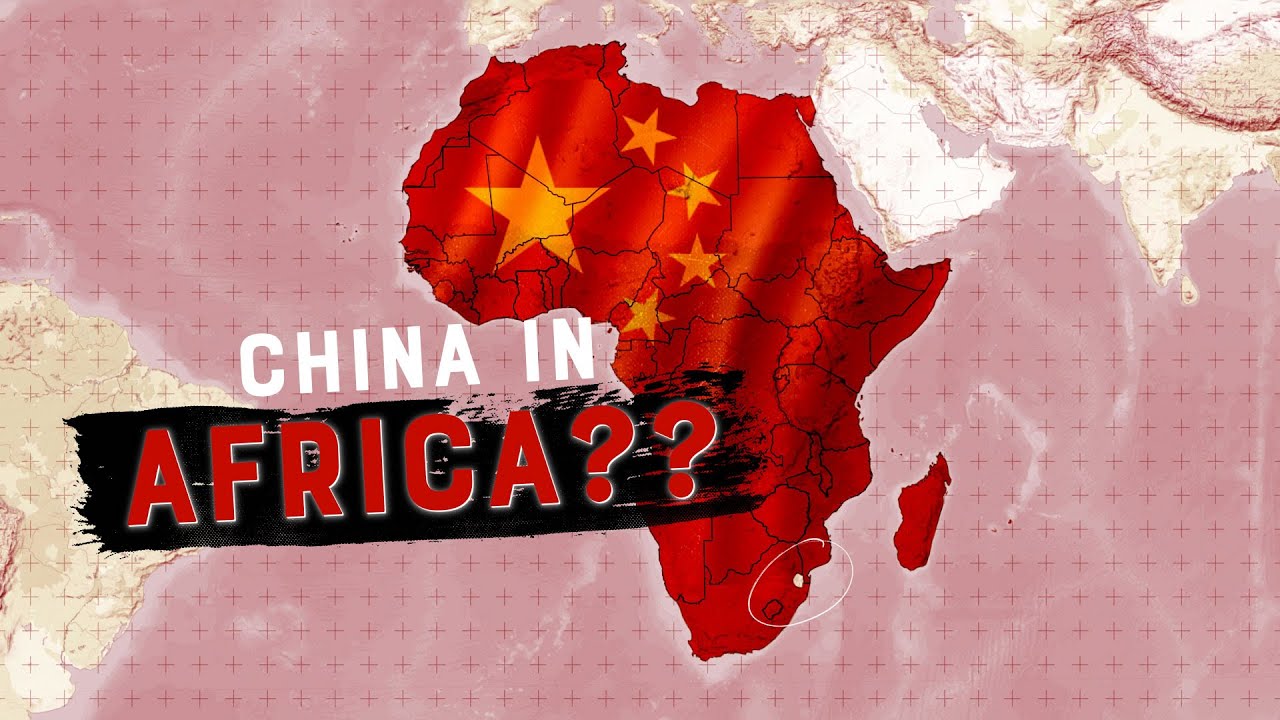

The gold Rush, the scramble and partition of Africa and the Dutch tulip mania! What do these historical periods have in common? A very valuable commodity or asset at the epicentre of the economy in a region, and a scramble for it!
Gold: inarguably the most valuable item on planet Earth since biblical times. Sought after by men and women alike. A potent wedge-driver between allies, turning them into foes.
Tulips: a seventeenth century sign of wealth. A luxury item exchanged for five hectares of land. The downfall of many men; tall and short; strong and meek.
And finally we have Africa! A basket of fertile soils. Gifted with diversity of flora and fauna. Endowed with minerals far-reaching and shallow. Decorated with lots of arable and industrial land. And most importantly, pervaded with hospitable folk. Once scrambled for in the 18th and 19th centuries, it was let be in the 20th century. Or was it? Devoid of propaganda, I would like to factually lay out within the next five minutes what heavy foreign direct investment and aid into such a mouthwatering continent actually means.
Is foreign direct investment good?
It is convenient to define this as a situation in which an investor establishes an ownership of 10% or more of an enterprise in another economy which gives them a high degree of influence. It is advantageous towards increasing exports, raising competition and breaking monopoly of local companies, developing human capital as in skills, bolstering technological growth, boosting capital inflow as well as stabilising exchange rates.
Sounds fantastic, right?
Hold on! Have you weighed in the flip side of the coin? This is actually an outright form of modern-day economic colonialism, also called neo-colonialism and I will expound on this with main reference to our friends the Chinese. China alone invests over $3 billion annually in Africa, contributing to over 20% of Africa’s economic growth. Alright, China gets annoyed, packs up their bags and stomps out the door: where would that leave Africa?

Ok, but how deep rooted is this dependency?
Back in 2011, presidential candidate Michael Sata vows to restrict Chinese activities in Zambia, being a firm believer in the neo-colonialistic nature of Sino-African relations. The Chinese therefore threaten to back out of the country and close down crucial economic operations in case he wins elections. He nevertheless goes on to win the elections.
However, backed against the wall, he has to give up on many proposed tax reforms and fails to completely eradicate the Chinese hold of the economy. With 28% of the national debt owed to China, and Zambian mining literally Chinese controlled, putting a leash on the Chinese was an uphill task. Other than wages for the miners being almost doubled, the Chinese firms still remained firm and infact developed a kind of love-hate relationship with president Sata. Read more here.

Alright, countries know that dependency is a real thing. Why is the Chinese foot still on the gas?
The fastest growing nation this last decade has effectively used trade to soothe African elites and governments into advancing their imperialist interests and protecting Chinese businesses at the expense of the socioeconomic welfare of the African people. In the process, the African regimes have also gotten their fair share of the kill. Emphasis is put on ‘the regimes’, not ‘the people’!
What exactly are these imperialistic interests you speak of?
It’s always nice to be able to call the shots. To have the ability to push imperialistic agenda with the backing of the unsuspecting countries is power in itself. Recall in 2012 when China was under investigation by the UN for the violation of human rights in Tibet, an autonomous state or more loosely, a colony of China. Multitudes of African states came out to support China and ultimately, all sanctions by the UN were blocked. Anything for you boss🤝.
Furthermore, at a time when many leaders were advocating for Taiwanese firms to replace Chinese firms, the investment heavy weight succeeded in isolating Taiwan through the One-China policy which inferred that in order to have diplomatic ties with mainland China, one must cut ties with Taiwan. Consequently, only 3 African countries to date maintain diplomatic ties with Taiwan, namely, Burkina Faso, Sao Tomé-et-Principe and Swaziland. If that doesn’t spell imperialist agenda, I don’t know what does.
It is also established that they have used trade, FDI and aid to facilitate the export of raw materials to China. This is beneficial to the importer but detrimental to the exporter, who is largely at the mercy of price flactuation. For crying out loud, the word investment literally means profit. And who does the profit go to? The investor! And who is the investor? I’m glad we’re connecting the dots together😁.
What do the African regimes gain?
Sustenance! Critics argue that Chinese aid, investment and trade has been pivotal to sustaining illiberal regimes in Africa.
Evidence of China supporting the Darfur crisis in Sudan through the illicit sale of weapons comes in handy to back this argument up. In addition, the Chinese investment in building mining and telecommunication infrastructure in Central African Republic supported the economy and thus the regime of François Bozizé from 2003 to 2013. In reference to China alone, this explains why they execute projects at record speeds and also invest indiscriminately, caring less about governance policies in the African countries they invest in. In order to get the edge over Western powers in terms of support from the African governments. We can now reasonably conclude that the recipient governments are winners. Investors are definitely also winners.
So who loses?
You didn’t see this one coming. The future governments! The short term gains by the current governments could actually prove deceptive as the imbalanced trade spirals out of control and Africa realises, “Wait! We are not in full control. They came bearing gifts, and now we are paying for said gifts.” Kwame Nkrumah foresees this too.
“Neo-colonialism is the diminution of African states’ sovereignity through assymetric economic relations and inequitable trade and investment between the parties.”
-Kwame Nkrumah, former Ghanaian prime minister
In a nutshell, neo-colonialism is the un-subtle undermining of the sovereignity of African states and not merely propagandist agenda spread by Western super powers to defame China.

Black to move and equalise. What will be your move?


Leave a Reply to odzjeffreyjrCancel reply