

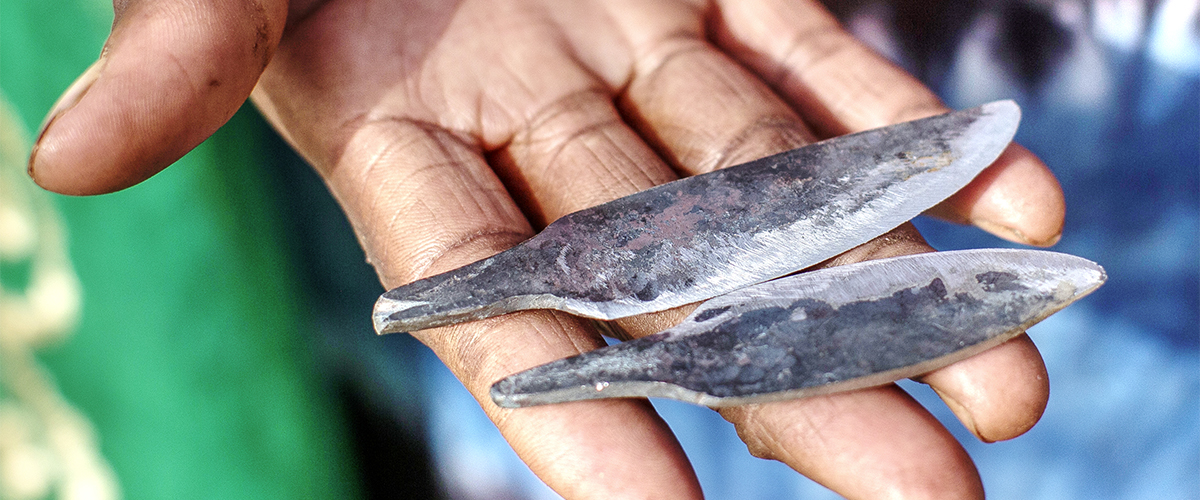
Female Genital Mutilation (FGM) is a deeply rooted cultural practice still prevalent in various parts of Africa. It involves the partial or total removal of a girl’s external genitalia for non-medical reasons—often justified by tradition, but with devastating consequences.
Its painful reality was brought into the global spotlight during the Miss World competition, when Miss Somalia, Zainab Jama, bravely broke her silence. With tears in her eyes, she shared her harrowing experience—subjected to FGM at the tender age of seven, without consent, and under the guise of cultural duty. Her story, raw and heart-wrenching, echoed the suffering of countless girls whose voices have never been heard.
A Stark Reality
Female genital mutilation (FGM) remains one of the most harrowing human rights violations, affecting over 230 million girls and women globally, leaving deep physical and emotional scars. Africa carries the largest burden with over 144 million cases, followed by Asia with 80 million, and the Middle East with 6 million. With 4 million more girls at risk every year, the urgency to act has never been greater. With just five years left to meet the Sustainable Development Goals by 2030, we must act swiftly and boldly—accelerating progress by 27 times to eliminate FGM under SDG 5.3. The time for change is now.
Understanding FGM
Female genital mutilation (FGM) refers to all procedures that involve the partial or total removal of external female genitalia, or other injury to the female organs, for non-medical reasons. It carries no health benefits—only pain, trauma, and life-threatening complications, including severe bleeding, infections, menstrual and urinary problems, childbirth difficulties, and an increased risk of newborn death; with the fallacy of fulfilling a certain cultural obligation.
FGM is classified into four types. Type 1 involves the partial or full removal of the clitoral glans and/or hood. Type 2 extends to removing the clitoral glans and labia minora—and sometimes the labia majora. Type 3, or infibulation, is the most extreme, narrowing the vaginal opening through cutting and stitching, often with the clitoris removed. Type 4 includes all other harmful acts such as pricking, piercing, scraping, or cauterizing. All too harrowing to narrate further.
What the Culture Is About
In its most tragic forms, the consequences are immediate and possibly irreversible— from excessive bleeding, to deadly infections such as septicemia or tetanus, and HIV transmission through unsterilized instruments among others. Yet even for those who survive the physical ordeal, the scars left behind are far more than skin-deep. Imagine the psychological impact of an abruptly shattering childhood innocence; a core memory of fear, betrayal by their ‘guardians’, and unimaginable pain. What should be a season of curiosity, laughter, and learning becomes a time of suffering, silence, and stolen trust.

And as these girls grow into adolescence, a time meant for growth and self-discovery— it is instead riddled with medical complications. Many struggle with urination, endure excruciating menstrual pain, and suffer recurrent infections, chronic inflammation, and persistent ulcers. The toll extends to their education, where health issues, trauma and discomfort disrupt learning and drive many to drop out; and with education goes the promise of empowerment, financial independence, and a voice in society. The cycle often continues with child marriage defined by early motherhood, dependency, and the ongoing erosion of personal choice, all before they’ve had the chance to dream, to hope, or to decide for themselves.
In adulthood, the legacy of FGM does not fade. It remains an unwelcome companion in a woman’s intimate experiences. For many, sexual relations are deeply distressing, with scar tissue and unhealed ulcers creating extremely agonizing pain. Women who have undergone Type III FGM/C may face the unthinkable reality of being cut open again just to have intercourse. During childbirth, the stakes grow even higher—hemorrhaging, obstructed labour, stillbirths, and maternal deaths are all more likely, compounding the pain and risk through generations. These consequences stretch far beyond individual bodies—they ripple across communities, affecting maternal health, child survival, and a nation’s ability to grow and thrive.
The United Nations has observed that 22 of the 30 countries where FGM/C is still prevalent are also among the world’s least developed. This is no coincidence. The continuation of this practice doesn’t just destroy individual lives—it weakens the social fabric, limits economic potential, and stunts national progress.
Gender roles sustaining the practice of FGM/C
Men:
According to an experimental study done by Patricia Akweongo among the Kassena-Nankana people, men’s roles are largely indirect and evolving. Fathers do not typically instigate the circumcision of their daughters, though they may grant permission, consult spiritual figures, or pay the circumcision fees. In some cases, fathers are unaware of the act until after it occurs, while compound heads may also be financially responsible. Traditionally, circumcision was linked to marriage eligibility and bridewealth, giving fathers an economic incentive to support the practice. However, this connection is weakening as more men marry uncircumcised women and bridewealth payments become less dependent on circumcision status.
Men have historically supported FGM/C as a means to control female sexuality, particularly in polygamous marriages where sexual jealousy and mistrust were concerns. FGM/C was viewed as a way to suppress women’s sexual urges (nyane), preserve marital fidelity, and prevent dishonor to the extended family. Some extreme beliefs suggested that uncircumcised women could even harm crops due to their sexual energy. However, attitudes are shifting, especially among younger men, who increasingly express sexual preference for uncircumcised women and see circumcised women as less desirable partners. This change reflects a growing departure from older norms that valued female obedience over sexual compatibility.
Husbands themselves often have little influence over whether their wives are circumcised, with co-wives and mothers-in-law being the more active enforcers of the tradition. Many men are indifferent to the circumcision status of their wives and are unaware of it at the time of marriage. Chiefs and male elders, while unable to ban the practice, can discourage it by limiting access to circumcisers and shaping public opinion. Overall, the role of men in sustaining FGM/C is diminishing due to changing sexual norms, declining economic incentives, and a broader cultural shift that favors abandoning the practice.
Women:
Mothers view arranging their daughters’ circumcision as a critical part of their identity and status as responsible women. Being circumcised is seen as a rite of passage into womanhood, ensuring marriageability and social respect. In polygamous households, tensions often arise when a woman’s daughters are not circumcised while her co-wives’ daughters are. Elderly women, in particular, see the continuation of the practice as a way of preserving tradition, often citing their own experiences to justify its persistence.
Pressure to undergo FGM/C intensifies after marriage. Mother-in-laws, co-wives, and older women in a husband’s household may insult, ostracize, or blame uncircumcised women for misfortunes, including childbirth complications. This peer and family pressure is often disguised as concern or friendly advice, pushing women to conform even if they initially resisted the practice. In many cases, a woman’s social acceptance, marital harmony, and role in family rites (like her mother’s funeral) are tied to whether she has undergone circumcision, leaving her with limited autonomy in these decisions.
Though some younger women oppose the practice due to its health risks and evolving legal restrictions, FGM/C persists largely due to complex social forces. Peers, mothers, and community women collectively uphold the practice, making it a marker of feminine identity and communal belonging. Even in the absence of direct coercion, the fear of social exclusion, shame, and ridicule makes FGM/C a powerful and enduring norm. Women, more than men, play a dominant role in sustaining and transmitting the practice across generations.
The Crisis of Medicalization
The involvement of health-care providers in the practice of Female Genital Mutilation (FGM)—including re-infibulation—represents a deeply troubling paradox. Their motivations are varied and complex, woven through a tapestry of cultural expectations, ethical dilemmas, financial necessity, and, in some cases, misguided intentions to reduce harm.
Some health professionals justify their involvement as a harm reduction strategy. Believing that FGM will occur regardless, they seek to minimize its dangers by performing the procedure in sanitized medical environments, using anesthesia and sterile instruments. In their view, clinical intervention is preferable to the severe consequences associated with traditional practices—severe pain, excessive bleeding, infections, or worse. This rationale, though intended to prevent harm, inadvertently lends legitimacy to a harmful cultural norm and delays its eradication.
Cultural allegiance also plays a significant role. In many settings, doctors, midwives, and nurses are not just health workers—they are also community members bound by tradition. Some see themselves as protectors of cultural identity, upholding beliefs that FGM preserves purity, ensures marital fidelity, or enhances a girl’s social status. Within this context, performing FGM becomes a way to maintain acceptance, honour community customs, and fulfill familial expectations.
The economic dimension cannot be ignored. In regions with limited income opportunities, FGM can provide a source of livelihood for health-care workers. Whether through direct payment, gifts, or social rewards, the financial incentive is a powerful motivator—especially for practitioners navigating poverty or resource scarcity. Social pressure compounds the problem: some providers carry out FGM under intense demands from families, fearing that refusal may lead to alienation, lost trust, or accusations of betraying cultural heritage.
Yet amid these complexities, a powerful countercurrent exists.
Across many countries, a growing number of health-care providers are standing against the tide. In Sudan, for example, numerous midwives—many of whom were themselves subjected to FGM—have chosen to break the cycle. Motivated by what they’ve seen firsthand—the trauma, infections, infertility, obstructed labor, and death—they reject the practice, despite social or financial consequences. Others are deterred by legal frameworks, especially in nations where FGM is criminalized. For these professionals, the threat of prosecution is a clear boundary.
But perhaps most significantly, an ethical awakening is unfolding. In Nigeria, a vast majority of health workers openly denounce FGM, labeling it a “bad practice” and challenging its place in modern medical care. In Egypt, many physicians reject FGM both professionally and morally, citing the absence of any scientific or social justification. They see no benefit—only lifelong harm.
Some medical professionals also highlight their lack of training to perform such a procedure—an admission that, while it reflects a skills gap, also signals a deeper unwillingness to normalize cultural violence under the guise of clinical practice. While a small minority still argue that medicalizing FGM could serve as a transitional step toward eradication, this view remains controversial and largely unsupported by global health authorities.
Survivor Stories: From Pain to Purpose
Priscilla Nangiro’s Journey: From Enforcer to Advocate
Priscilla Nangiro was just 13 when she was forced to undergo female genital mutilation (FGM)—a moment she was led to believe marked her transition into womanhood. What followed, however, was not pride or celebration, but trauma. She bled uncontrollably through the day, terrifying her family and nearly losing her life. Her experience became a cautionary tale, whispered through her community in hushed tones. Yet despite the horror she endured, Priscilla, caught in a web of cultural expectation and economic hardship, later found herself performing the very act that had once nearly broken her.
In the Pokot community of Uganda, FGM remains deeply embedded in tradition—an almost inescapable rite for girls, even though national laws now prohibit it. Priscilla’s participation as a practitioner reflected a harsh reality: survival often comes at a steep moral cost. But change began when knowledge entered her life.
Through a program supported by the Spotlight Initiative—led by UN Women and the Centre for Domestic Violence Prevention (CDFU)—Priscilla encountered the SASA! model, a transformative community-based approach that fosters critical thinking about power, tradition, and gender. For the first time, she understood the full depth of harm caused by FGM—not just physical, but emotional, psychological, and spiritual.
That awareness changed everything. Priscilla laid down her tools and picked up a new purpose. She abandoned FGM and turned to advocacy, channeling her energy into entrepreneurship and community theatre as platforms for change. Through performance and dialogue, she began reaching girls, families, and leaders—planting seeds of reflection in hearts that once saw FGM as normal.
Now a trained activist, Priscilla speaks with courage and clarity. Her community dialogues and drama performances have earned her deep respect. What was once unthinkable—challenging a long-standing cultural ritual—has become her life’s mission. Her message is unwavering: education is the strongest weapon against FGM. When girls are kept in school, when communities are engaged in honest conversation, the cycle can finally be broken. Through her voice, Priscilla offers not just testimony, but hope.
Jama’s Story: From Silence to Strength
Jama’s story begins with unimaginable pain but rises into one of powerful purpose. Born in Somalia, she was only seven years old when her life was irreversibly altered. Without anesthesia or proper medical care, she was subjected to the most extreme form of female genital mutilation—infibulation. Her body was cut and stitched, then bound and confined in a dark room for days. The pain was unrelenting. Her legs were tied. Her voice was silenced. Her childhood ended in that moment, replaced by trauma and scars she would carry for life.

Today, Jama is a fierce campaigner and the founder of the Female Initiative Foundation, a grassroots organization dedicated to eradicating FGM and empowering survivors. With raw honesty and trembling courage, she shares her story—shining a light on a practice shrouded in secrecy. “They were taught suffering is part of being a woman—but it’s not,” she declares. Through community outreach, she speaks to mothers, fathers, and elders, urging them to protect their daughters, not harm them in the name of custom.
Jama’s mission is tireless, her resolve unbreakable. She envisions a world where no girl is robbed of her body, her dignity, or her voice in the name of tradition. Her strength lies not only in surviving but in transforming her pain into purpose—a living testament that even the deepest wounds can birth the most powerful movements for change.
The picture across Africa
While continental prevalence is declining, progress remains uneven. In Somalia, 86.9% of women aged 15–49 endure FGM, contrasted with Kenya’s significant drop from 32% (2003) to 15% (2022). Northeastern Kenya’s rate is catastrophic at 97.5%, yet Western Kenya reports just 0.8%, revealing stark intra-country disparities 8. Urban-rural divides persist: 18.4% of rural African women undergo FGM versus 9.7% in urban areas. Alarmingly, medicalization is rising, with 25% of FGM globally performed by health workers—over 90% in Egypt, Sudan, Guinea, Kenya, and Nigeria. Education remains protective: only 5.9% of Kenyan women with higher education experience FGM, compared to 56.3% with no schooling.
Who’s Driving Change? Unlikely Heroes of Hope
Amid the sweeping landscapes of Kenya’s Great Rift Valley, a quiet revolution is taking root—led not by international agencies or political elites, but by the very people once bound by the chains of tradition. In Narok County, a place where female genital mutilation (FGM) was once a rite of passage, a powerful shift is underway. The implementation of the Anti-FGM Policy Matrix has ignited community-driven change, and the results are nothing short of extraordinary. In some areas, prevalence rates have dropped from a staggering 78% in 2014 to just 22% in recent years—a testament to what is possible when hearts and minds unite for the protection of girls.
The true champions of this transformation are the mothers who choose to protect rather than conform, fathers who speak out when silence is safer, teachers who educate beyond the classroom, and village elders who dare to question long-held beliefs. Many face resistance, social isolation, or even threats for challenging deeply rooted norms. Yet they persist, driven by the belief that dignity, health, and human rights must never be sacrificed in the name of culture.

Education stands as the most powerful weapon in this fight. When girls stay in school, they not only learn about their bodies and rights—they begin to dream. And when families witness the power of those dreams, early marriage and cutting lose their grip. Across Ethiopia and Senegal, programs that provide scholarships, mentorship, and vocational skills are showing that opportunity—not fear—can shape a girl’s future.
These brave voices are flipping the script. In choosing to safeguard their daughters’ futures, they are not abandoning tradition—they are evolving it. And in doing so, they are creating a new legacy where every girl is free to thrive, uncut, unharmed, and unafraid.
As this groundswell of change continues, it offers a powerful reminder: the most profound revolutions often begin in the quiet corners of the world, led by ordinary people with extraordinary courage.
Leave a Reply