

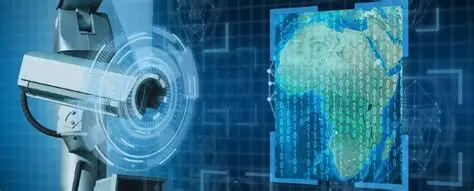
Elections in Africa were once defined by ballot box stuffing, ghost voters, and the occasional ballot paper mysteriously turning up in a river. Now, in the digital age, those tactics feel almost… vintage. Instead, we’re told technology will make elections “transparent” and “efficient.” Electronic voting machines, biometric registration, and AI-powered voter rolls are paraded as the cure for rigging. But come on: when has a shiny toy last kept an African leader from clinging to power?
The truth is, technology hasn’t abolished electoral theft t’s just reconfiguring it. Call it digital authoritarianism, where the same presidents who are afraid of Twitter youth now lecture on making democracy go digital. If it smells like fish, that’s because it does.
Take biometric voter registration, for instance. Theoretically, it eliminates vote rigging. Practically, it presents the ruling party with a neat list of citizens’ fingerprints, faces, and personal details, which can be plucked from a keyboard stroke. Who needs to steal ballot boxes when you can quietly delete opposition supporters from the register?
And then there’s campaign espionage. From Pegasus spyware controversies in Uganda to the internet shutdowns in Ethiopia amid protests, governments have learned that controlling cyberspace is controlling dissent. It’s not about prohibiting ballot papers anymore—it’s about prohibiting hashtags. If your WhatsApp group of “Youth for Change” suddenly starts to lag the evening before election, maybe it’s not just poor network.
The irony is stunning. Leaders foretell us of “foreign interference” in the election while cheerfully contracting foreign firms to supply the very surveillance software that they then use to spy on citizens. China supplies the hardware, Russia gives the cybersecurity “advisors,” and Western companies profit from voter technology contracts. It’s a world buffet of dominance, and African voters are the unwitting dessert.
But let’s not pretend the tale is completely dark. Technology can empower. Social media has given us live-streamed evidence of ballot stuffing, citizen journalists exposing intimidation, and real-time fact-checking of state propaganda. Remember how Twitter (or “X,” if you’re feeling dystopian) turned the Arab Spring into a global spectacle? Or how in Nigeria’s #EndSARS protests, young people used digital platforms to out-organize a state machine armed with guns and lies? The tools of surveillance are also the tools of resistance.
Which leads us to the question at hand: who gets to decide how technology is used? Election technology in the hands of governments with every incentive to cheat? In the hands of private tech firms with no accountability to voters? Or in the hands of civil society and independent observers? Today the answer is painfully clear: Big Brother is in charge, and he doesn’t want to be watched.
The danger of digital authoritarianism isn’t stolen elections—stolen futures. Every time an opposition rally is shadow-banned, every time internet traffic is throttled in rural areas, every time kids’ online protest is deemed “subversive,” we lose a little bit of faith that democracy can work. And hope, unlike Wi-Fi, isn’t something you can just flip back on.
So, as the continent charges towards yet another wave of elections in 2025 and 2026, we are left to ask: are we building digital democracies, or just digitized dictatorships? Will our fingerprints protect our votes or incriminate us later? Will information protect citizens or identify dissidents? And most ominously of all: when your government states that it is “defending democracy,” do they mean defending… or just defending you?
The next battle for African democracy will not be fought solely at polling stations it’ll be fought in server rooms, undersea fiber-optic cables, and the cloud. Voters must be as vigilant about their online rights as they are about their ballot papers. Because if we don’t stake our ground, the ballot box won’t be stolen it’ll be encrypted, monitored, and firewalled away from our grasp.
And when that occurs, you may well find that your president characteristically boasts: “The election was free and fair. And if you don’t believe me, ask the algorithm.”
Leave a Reply