

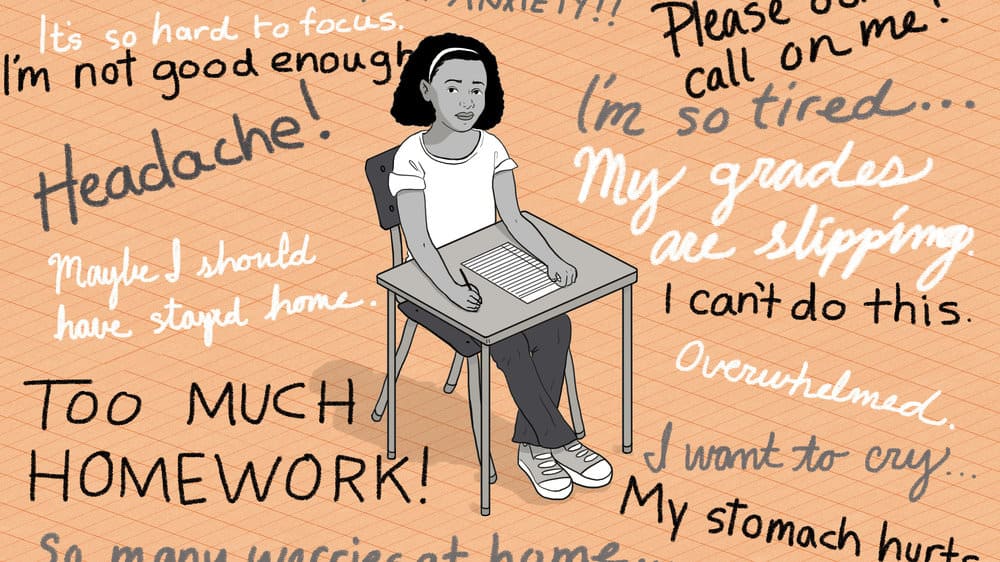
You ever notice how in African high schools, everyone is carrying two backpacks? One is
filled with books, leaking pens, maybe a snack for break time. The other way heavier is
stuffed with unspoken emotions, shame, and the kind of “don’t tell anyone or they’ll laugh”
secrets.
Yes, we don’t talk about that second backpack enough.
See, mental health struggles in African high schools aren’t some distant, imported issue.
They’re right here sitting next to us in class, hiding behind the “I’m fine” buried under the
100th math equation or the prefect’s whistle. Anxiety, depression, burnout, self doubt you
name it… these things aren’t picky. They don’t check your nationality before they hit. But in
our communities, especially in school corridors, talking about them feels like admitting
weakness. And weakness, at least in the teenage African dictionary, is basically social
suicide.
Let’s be real,shame is the real enemy here. Not depression. Not anxiety. Not those bad
grades that make your parents sudden prayer warriors. Shame. Shame keeps people quiet
when they should be seeking help. Shame whispers, “Don’t let anyone know. People will
laugh.” Shame is the reason your friend turns their pain into jokes, and why so many of us
fake “being okay” until it becomes a full time personality trait.
But the plot twist is people are overcoming it. Slowly. Boldly. Sometimes awkwardly.
Take my friend, for example, who decided to talk openly about panic attacks at lunch. At first,
everyone went silent, like she just confessed to being a vampire. Then someone else said,
“Yo, me too sometimes when exams come.” Suddenly, it wasn’t weird anymore. That’s the
thing about shame: the second you shine a flashlight on it, it shrinks. Like cockroaches when
the lights come on.
So how do we get rid of this shame?
Stop treating mental health like Voldemort. You know, “he who must not be named.” Every
time we whisper “mental health” like it’s a swear word, shame gets stronger. Say it out loud.
Say, “I’m anxious.” Say, “I’m struggling.” Say it like you say “I’m hungry.” Because, honestly,
your brain being unwell isn’t that different from your stomach being unwell. Both need care.
Normalize not being perfect. In high school, it feels like everyone else has it figured out.
Spoiler: they don’t. The girl with perfect braids? She cries at night too. The guy who always
has the right answer in Physics? He’s fighting self doubt like it’s Mortal Kombat. When you
realize nobody is living the perfect teen movie, the shame of “I’m not okay” starts to crack.
Turn shame into story. One thing I’ve noticed: African families LOVE stories. We pass
wisdom, humor, and culture through them. So why not add mental health stories to the mix?
The first time you share your story, it feels like undressing in public. But the more you tell it,
the more you own it. And suddenly, it’s not shame anymore, it’s powerful.

And acceptance doesn’t mean giving up. Acceptance means saying “Yeah, I’m dealing with
stuff, but I’m still me. I’m still valuable. I still belong.” Shame says: you’re broken.
Acceptance says: you’re human.
Now, let me get Gen Z about this for a second: if shame had an Instagram profile, it would
be that toxic influencer who filters everything and makes you feel like trash about your real
life. Block them. Mute them. Unfollow. Replace them with accounts that make you laugh, cry,
or feel seen.
And to my older readers (yes, aunties, uncles, teachers, I see you lurking here ), we know
you grew up in times where mental health was basically code for madness. But the world
has changed. Your silence doesn’t protect us anymore. What protects us is honesty, support,
and saying: “Hey, it’s okay not to be okay.” You don’t have to be a therapist to listen. You just
have to be human.
So, to all the African high schoolers dragging around that heavy second backpack, drop it.
Even if just for a minute. Talk to a friend. Write it down. Laugh about it. Cry about it. Just
don’t keep it zipped shut. Shame can’t survive in the open.
Because here’s the secret nobody told us in school: being real about your struggles isn’t
weakness. It’s rebellion and it’s healing. It’s freedom. And honestly? It’s the coolest thing
you’ll ever do.
Leave a Reply