

Long before anyone was ordering overpriced margaritas in dimly lit rooftop bars, our ancestors were sipping on palm wine like it was holy water Palm wine has been around for centuries, tapped straight from palm trees and naturally fermenting into a sweet, fizzy, slightly tipsy situation. In places like Nigeria, Ghana and Uganda, palm wine was and still is a social glue. It sealed deals, blessed marriages and turned uncles into comedians overnight.
This isn’t just folklore, palm wine has serious history. It’s been documented as part of traditional ceremonies and gatherings for generations. Imagine showing up to a wedding today and instead of a champagne toast, someone hands you a calabash full of palm wine. That’s ancestral. According to Wine Enthusiast, in Nigeria the drink is served at weddings and often a young man must bring palm wine to his future in-laws as part of courtship
But Africa didn’t stop at palm wine. We made sorghum beer, millet brewsand banana wine. The original craft beers, if you will. People were doing microbreweries in the village before it became a hipster thing. In South Africa, Umquombothi, a traditional beer made from maize and sorghum wasn’t just a drink, it was a communal activity . Women would brew it, the community would gather and suddenly everyone became very good at storytelling. Or arguing. Or both.

Fast forward to colonialism. When European settlers rolled in, they brought their own drinks. The gin, brandy, whisky and the concept of drinking in public houses. Africans adapted quickly, mixing these imports with local brews, creating hybrids that could either make you dance like a champion or regret your existence by morning. That era also birthed the idea of bars and taverns as central social spots. You didn’t just drink, you belonged.
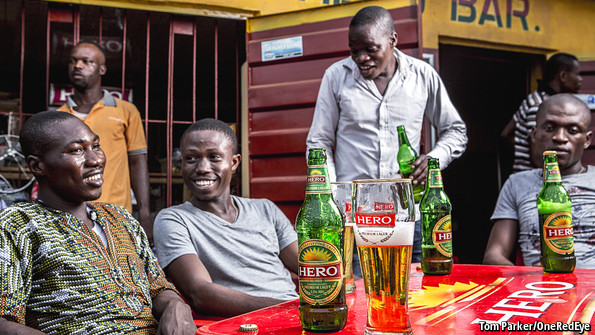
Then came independence and urbanization. And with it? Bottled beers. Lots of them. Brands like Guinness became household names across the continent, and local breweries rose to fame with iconic brands like Tusker in Kenya and Nile Special in Uganda. Beer became a national identity. You don’t just drink a Tusker, you’re basically saying, “I’m Kenyan and I know how to have a good time.”
But how things have changed again. Today, Africa’s drinking culture has leveled up like a mobile game. We’ve gone from calabashes to cocktail shakers, from “pour me palm wine” to “I’ll have a Negroni sbagliato… with prosecco in it.”
Cocktail bars are popping up from Lagos to Nairobi, Cape Town to Kampala. Mixology is no longer just something you watch on Instagram reels at 2 a.m. Bartenders are remixing traditional ingredients with global flair like palm wine mojitos, sorghum whiskey sours, or baobab-infused gin fizzes. Basically, ancestors brewed the foundation and younger generations added a garnish and a playlist.

Of course, with this evolution comes its messy cousin that is overindulgence . Weekend drinking has become a whole personality trait. In some African cities, the “Sunday brunch with bottomless mimosas” scene is now a certified sport. And if your friend hasn’t declared they’re “never drinking again” on Monday morning, are they really African?
But drinking in Africa has always been about more than the alcohol itself. It’s community. It’s how people connect, celebrate, mourn, flirt, vibe and sometimes accidentally confess their love to the wrong person. It’s a shared experience. A language of its own.
That said, not everything about the drinking culture is glamorous. Alcoholism and its health impacts are serious issues across the continent, especially with rising urbanization and unemployment. According to World Health Organisation, harmful alcohol use remains a growing public health concern in many African countries. And the easy access to cheap local spirits, some unregulated only complicates things.
But the beautiful duality is that African drinking culture is resilient, creative and adaptive. Whether you’re sipping palm wine under a mango tree, sharing a beer at a football match or clinking martini glasses on a rooftop bar with a view, the act of drinking remains rooted in something bigger community, storytelling, identity.
So next time you raise a glass, know that you’re not just drinking. You’re participating in a centuries old social ritual, one that’s been remixing itself with every generation. From ancestors who drank from calabashes to Gen Z who prefer an Espresso Martini that match their outfits. Cheers to the evolution.
Leave a Reply