

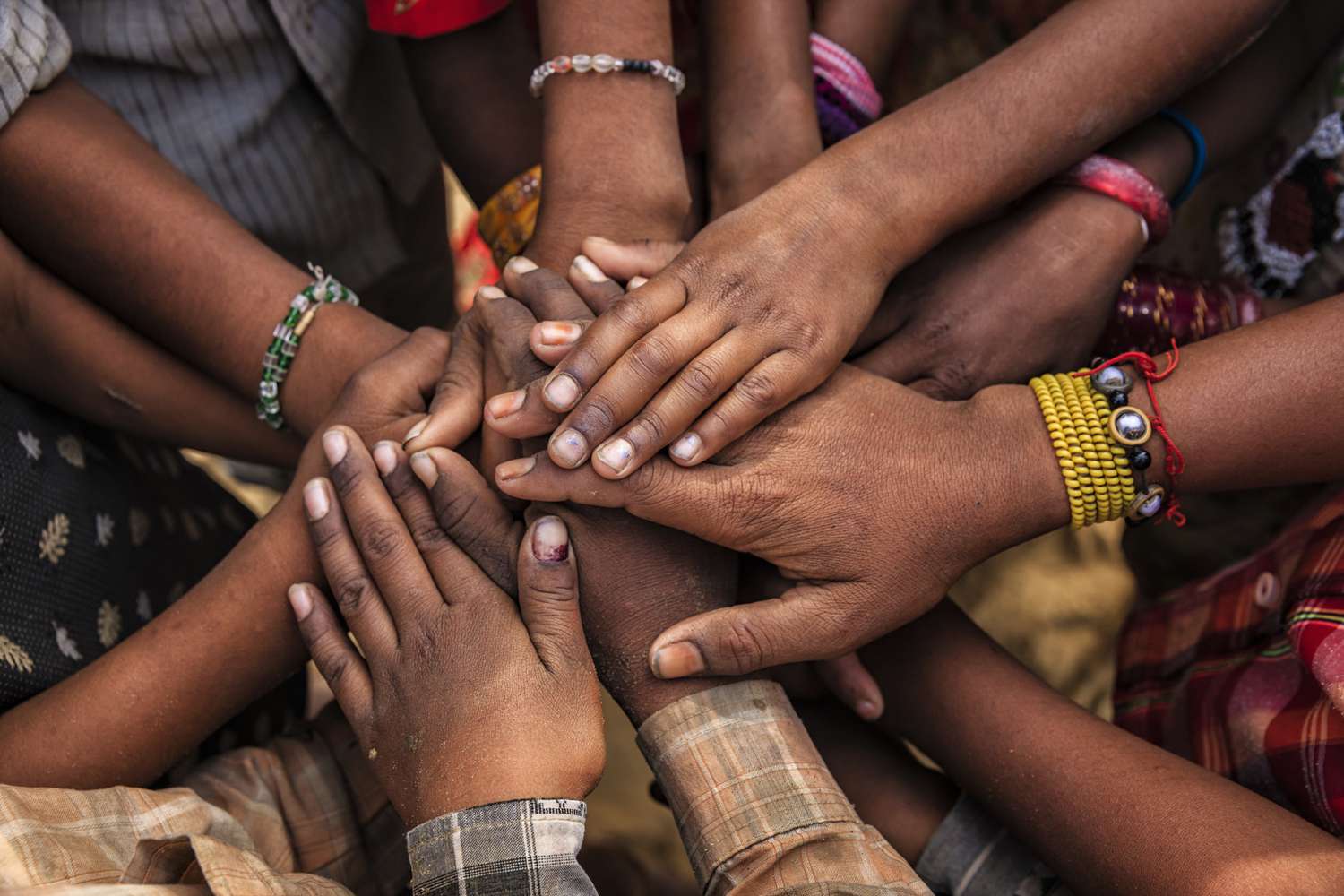
Africa loves to talk about community, family and togetherness. But if you look closely, you’ll notice a quiet hierarchy running beneath the surface. The social class system no one admits exists but everyone navigates carefully. It’s subtle, unspoken and remarkably persistent.
Class in African communities isn’t always about money. It’s about connections, education, lineage and sometimes even the neighborhood you’re from. According to research from the African Development Bank, social stratification in Africa is shaped not just by income but by access to education, political networks and historical privilege. Someone may not be rich in dollars, but if they went to the “right school”, their opinion carries weight. Someone may not have influence, but if their family has long standing community status, they are treated as de facto authority.
This quiet class system affects daily life more than any headline about economic inequality. Who sits where at weddings, whose children get extra attention from teachers, who is asked to speak at funerals or meetings. All these are markers of social standing. It determines access to jobs, marriage prospects and even respect. UNESCO has studied how social capital, more than just economic capital, influences opportunity in African contexts.
Education, again, plays a huge role. Graduates of elite schools or those who study abroad, often return to their communities with authority, even if they have no practical achievements to show. Credentials signal status as much as ability. Conversely, someone from a local school or without formal schooling may be automatically devalued, regardless of talent or insight.
Language and accent also act as markers. Speaking “proper English” or French in some urban or elite circles instantly signals education, refinement and social class. Local dialects, while culturally rich, are sometimes subtly associated with lower status. Sociologists have noted this phenomenon across post colonial African societies, where colonial legacies continue to shape perceptions of who is elite.
Even wealth itself is often nuanced. Owning property, having connections in government or being able to sponsor communal events can elevate status far beyond raw income. Conversely, those who earn decent salaries but live in informal settlements may still be socially “lower” in their communities. The hierarchy is not always visible but it shapes interactions, marriages and even opportunities for leadership.
Politics mirrors this silent class system. Local leaders, council representatives, and even MPs often come from families or networks with long standing influence. Merit matters sometimes but lineage, connections and perceived social “fitness” matter just as much. This quiet aristocracy can exist even in democracies, subtly shaping whose voices are heard and whose aren’t.

This system is reinforced daily through rituals, events and social norms. Weddings, funerals and naming ceremonies become more than cultural expressions. They are stages where social hierarchy is displayed, tested and reaffirmed. Families invest heavily not only for prestige but to maintain or elevate status. Anthropologists have highlighted how social stratification in African communities operates through communal rituals and public displays, rather than formal titles.
The quiet irony is that while African societies often pride themselves on communal solidarity, these subtle class distinctions shape everything from opportunity to respect. They teach young people where to sit, who to defer to and whose advice actually matters. They influence marriage choices, business partnerships and even friendships.
And yet this hierarchy is rarely acknowledged openly. It’s invisible enough to be ignored but persistent enough to be felt in every interaction. You may come home thinking your community is equal but after a few conversations, invitations and nods at who gets consulted first, you realize that status has quietly been organizing life all along.
The tragedy of this quiet class system isn’t that it exists. It’s that it persists without transparency, reinforcing inequality and limiting mobility in ways that are rarely discussed. While Africa’s economies and institutions evolve, these subtle social hierarchies continue to shape daily life, opportunities and aspirations silently but powerfully.
Class in African communities is not just wealth, it is ancestry, schooling, language, connection and perception. And until we name it, examine it and create spaces for genuine mobility, it will continue to operate quietly shaping lives, futures and dreams without anyone really admitting it.
Leave a Reply