

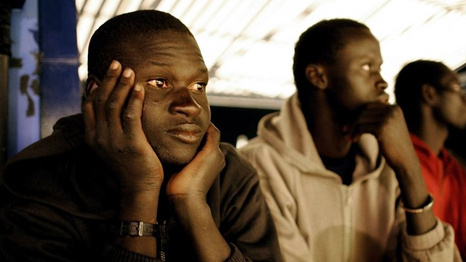
Africans have mastered the art of silence. Not the quiet of meditation or reflection. It’s the silence of unspoken truths everyone understands. There are things we rarely say out loud but they shape how we live, work, love and survive. And if you grew up anywhere on the continent, you know exactly what I mean.
For starters, We’re struggling, but we’ll smile anyway. Life can be hard, jobs scarce, economies unstable, governments unpredictable yet laughter, dance and music are never optional. Researchers at the African Centre of Migration and Society note that resilience and adaptability are often encoded into African social life, where communities persist despite structural challenge. We don’t complain to outsiders. We laugh, we joke, we survive.
Then there’s the truth about education. Your degree doesn’t guarantee anything. We’ve all nodded politely when someone announces they just graduated, knowing full well that the labor market may treat them like they never studied at all. The World Bank has documented that youth unemployment in Africa remains disproportionately high, even among university graduates. Credentials matter for status, but they rarely open doors.

Family is another place where unspoken truths thrive. We do things because family expects, not because we choose. Weddings, funerals, naming ceremonies and holidays are often dictated by obligation rather than desire. Anthropologistshave written extensively about how kinship networks in African societies dictate social behavior and personal priorities. We complain about it privately but publicly, we comply.
And money? Africans rarely admit, We are often hustling more than we are earning. Side gigs, small businesses, informal markets, gigs and creative work are survival strategies, not optional entrepreneurship. The International Labour Organisation notes that informal work dominates African economies, shaping how people earn, live, and define success. We all know it, but we rarely say it.
Politics is a minefield of unspoken truths. Voting is important, but it may not change anything. Afrobarometer surveys show that many Africans are disillusioned with political institutions, feeling that leaders often fail to deliver on promises even when participation is high. Yet publicly, we nod, participate and hope silently balancing engagement and skepticism.
Religion carries similar contradictions. Faith is everywhere, but wealth and power often follow the loudest voices. Mega churches, prosperity preaching and religious celebrity culture are part of daily life. As the BBC has documented, faith communities are central to social cohesion, but they also concentrate influence in ways that are hard to critique openly. We participate, we pray and quietly calculate how much the system serves us versus itself.
Then there’s migration. Everyone dreams of leaving, but most of us stay. Globally, African youth are often framed as migrants in waiting. The UN Migration Agency highlights that migration is both aspiration and necessity, but most young Africans navigate life largely where they were born. We rarely admit that dreams of mobility exist alongside practical constraints and deep ties to home.
Even social norms carry unspoken rules. You must respect elders, even when they’re wrong. Authority, tradition and hierarchy shape speech, behavior and decisions. UNESCO has observed that cultural expectations around respect and hierarchy remain central to social cohesion in African societies. We nod, smile and carry on all without saying what we’re really thinking.
In the end, Africans excel at collective understanding without articulation. We know silently, what matters, what doesn’t and what we must endure. Humor, resilience, faith, respect and adaptability allow us to survive and thrive even when words fail.
The truth is we don’t need to say it.
We all know.
Silence after all, has been a survival strategy long before it became an art.
Leave a Reply