

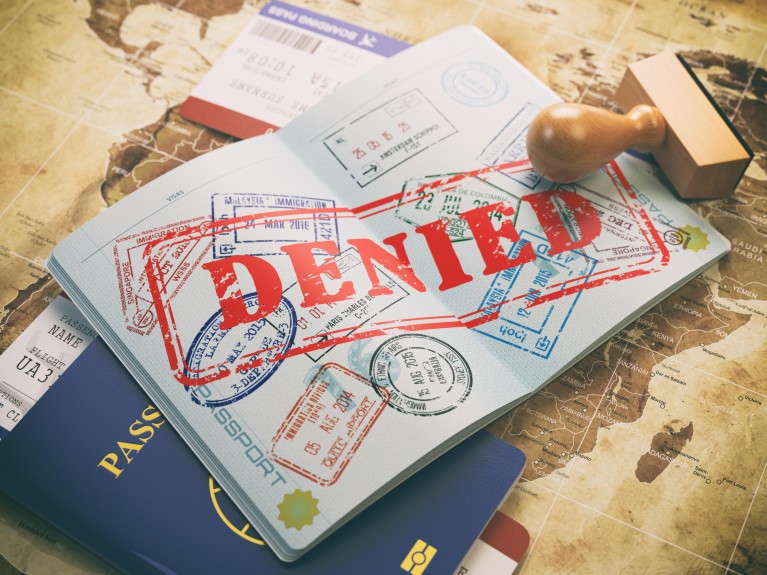
There’s a cruel joke that comes with being African and holding a passport. On paper, it’s supposed to be freedom. Proof that you belong somewhere, that you can travel, explore, learn and connect. In reality for most Africans, it’s more like a permission slip you apply for, wait for and sometimes never use.
Visa inequality is immeasurably humiliating. According to the Henley Passport Index, African passports consistently rank among the lowest in the world in terms of travel freedom. Citizens from countries like Nigeria, Eritrea and Somalia can visit fewer than 50 countries without prior approval, while European, North American and even some Asian passports open doors to 180+ destinations. That’s not just numbers but opportunities denied.
It doesn’t matter how talented, educated or wealthy an African traveler is. The color of your passport dictates whether you board a plane freely or face interrogations, long applications and often arbitrary rejections. A visa application becomes a test of patience, a negotiation with bureaucracy and a subtle reminder that citizenship in Africa does not equal global mobility.
The politics behind this are layered. Visa restrictions often reflect historical inequalities, geopolitical perceptions and security assumptions rather than objective risk assessments. The UN DESA has highlighted how mobility restrictions disproportionately affect citizens of Global South countries, reinforcing global hierarchies that echo colonial patterns.
Even within Africa, freedom of movement is uneven. The African Continental Free Trade Area and initiatives like the African Union’s Protocol on Free Movement promise continental mobility but implementation remains patchy. While citizens of some countries can travel relatively freely across borders, others still face restrictive visa requirements, limiting trade, study and family connections.
This isn’t just inconvenience. It has real consequences. Visa inequality blocks business opportunities, access to education, cultural exchange and healthcare. It keeps students from attending universities abroad. It forces skilled professionals to stay local or jump through costly bureaucratic hoops. And it reinforces a sense of second class global citizenship.
Even for those who succeed, the process is demeaning. You submit documents, wait weeks, pay fees and often explain why your visit “won’t burden” the destination country. You are vetted not as a human being but as a potential risk. The International Organisation of Migration points out that mobility restrictions are one of the most persistent structural barriers to equitable global opportunities.
Social media exposes this inequality in real time. Africans watching Western peers travel, study, work and move freely feel both envy and frustration, a reminder that geography and history, rather than merit, still dictate opportunity. It’s a subtle but constant lesson that your passport is a gatekeeper, not a bridge.

Visa inequality also perpetuates talent drain. Many African nations lose their brightest minds not because they want to leave but because they are forced to navigate convoluted pathways abroad to access opportunities that should be universally available. Meanwhile, those who remain often face structural constraints in entrepreneurship, research and professional growth which are constrained not by ability but by borders.
So what’s the solution? Africa must push for reciprocity agreements, standardized travel documents and equitable visa policies. The AU Passport Initiative , if fully realized, could transform mobility for millions.
Because freedom of movement is more than leisure.
It’s access to education. It’s economic opportunity. It’s cultural exchange. It’s the ability to imagine a life beyond immediate borders. And in 2025, African passports should be gateways and not hurdles.
Visa inequality isn’t just a travel inconvenience.
It’s a daily reminder of global hierarchies that still place African citizens at the back of the line. And until that line disappears, the world will continue to underestimate what Africa can achieve, not because of ability, but because of bureaucracy.
Leave a Reply