

I used to think African youth didn’t trust politics because we were tired. Or distracted. Or too online. But the truth is it’s pattern recognition.
After a while, you notice that every election season feels like a badly written reboot. Same speeches, promises, smiling faces on posters printed with money we don’t have. Same outcomes. At some point, even optimism needs evidence.
What people miss conveniently is that African youth actually believe in democracy. Not in a performative, hashtagged way but in principle. Research from Afrobarometer shows that young Africans overwhelmingly support democracy as the best system of government, often at higher levels than older generations did at the same age. They’re also more dissatisfied with how democracy functions in practice, especially when it comes to accountability and delivery. In other words, we didn’t stop believing, ywe stopped trusting the process to work for us.
You can only be promised jobs so many times before “job creation” starts sounding like a bedtime story meant for someone else’s children. Across the continent, youth unemployment remains one of the top issues young people want governments to address and Afrobarometer data consistently shows that jobs and economic opportunity rank higher than almost any other political concern for youth. So when leaders announce “economic growth” while graduates sit at home refreshing LinkedIn, politics starts to feel less aspirational and more fictional.
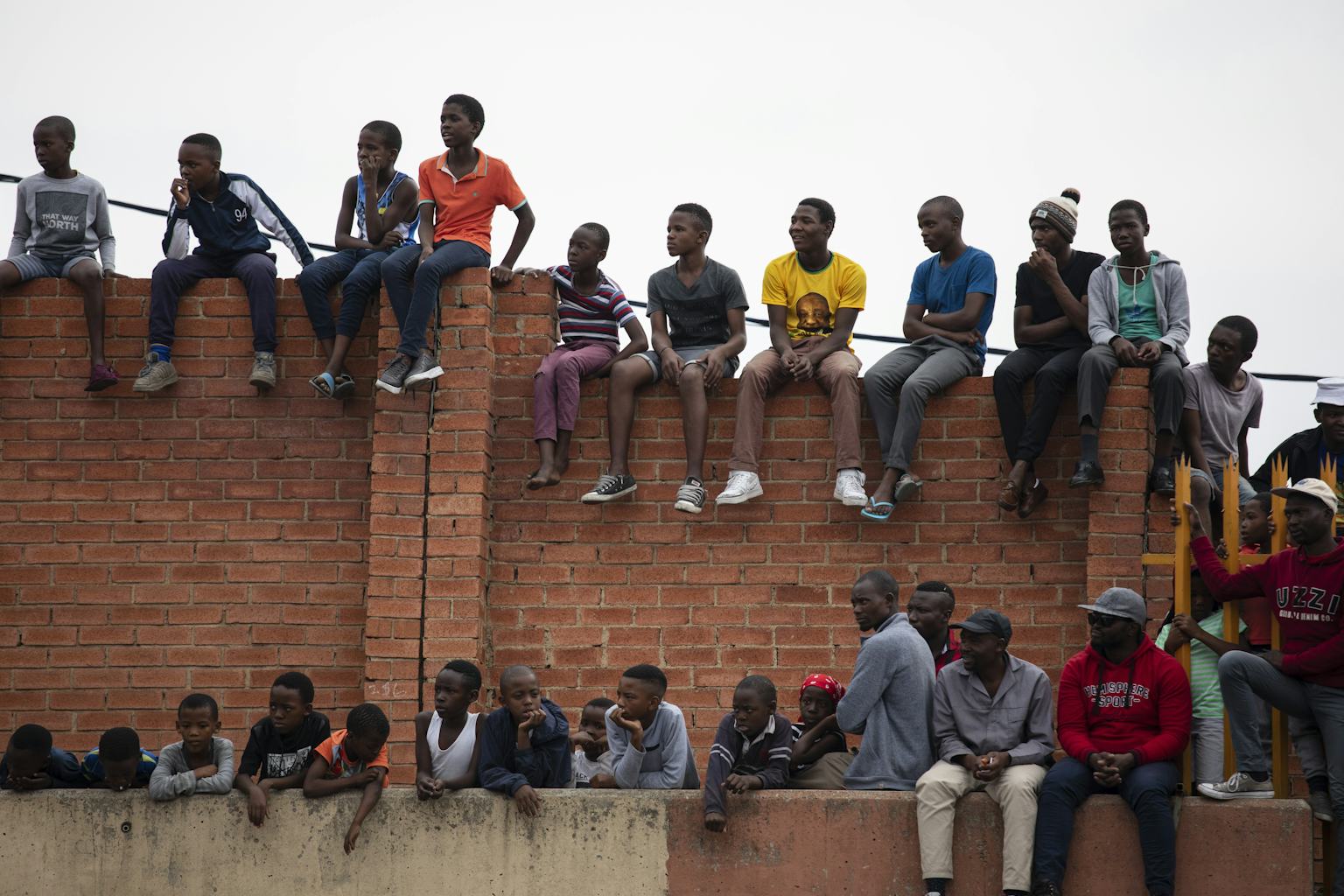
Representation doesn’t help either. Politics in many African countries still looks like a reunion of men who were already adults when independence was young. Youth are constantly told they are “the future,” but rarely trusted with the present. This disconnect shows up clearly in participation. In South Africa, for instance, youth voter registration and turnout especially among first time voters have been strikingly low, not because young people don’t care but because many feel ignored by a system that speaks about them without speaking to them.
And then there’s corruption. The one topic nobody can gaslight young people about. Youth aren’t naïve, they’re hyper aware. A Continental Youth Survey found that many young Africans believe politicians themselves are among the biggest sources of misinformation, which makes trust feel less like a virtue and more like a risk. When dishonesty feels systemic, disengagement becomes self-preservation.
So when formal politics feels closed, young people find other ways to speak. Protest becomes a language. In Morocco, youth have taken to the streets over healthcare, inequality and misplaced government priorities questioning why stadiums are built faster than hospitals. In Kenya, youth led protests over economic conditions have escalated into national political moments, complete with arrests and court cases, proving that young people aren’t disengaged but rather confrontational when ignored. In Lesotho, a young activist went viral for speaking openly about unemployment and ended up facing sedition charges, a reminder that speaking truth to power is still considered dangerous in some places .
When democratic systems repeatedly fail to deliver dignity, some youth begin to question whether democracy, as currently practiced, deserves their loyalty at all. Afrobarometer data shows a growing tolerance among young people for non democratic alternatives not because they love authoritarianism but because stability without opportunity feels indistinguishable from stagnation.
This isn’t rebellion for rebellion’s sake. It’s unmet expectations. It’s being told to be patient in economies that are impatient with rent, food prices and aging parents. It’s watching leaders break promises with confidence and then asking why trust is low.

African youth don’t distrust politics because they hate politics.
They distrust it because they’ve been paying attention.
And maybe that’s the most political thing about them.
Leave a Reply