

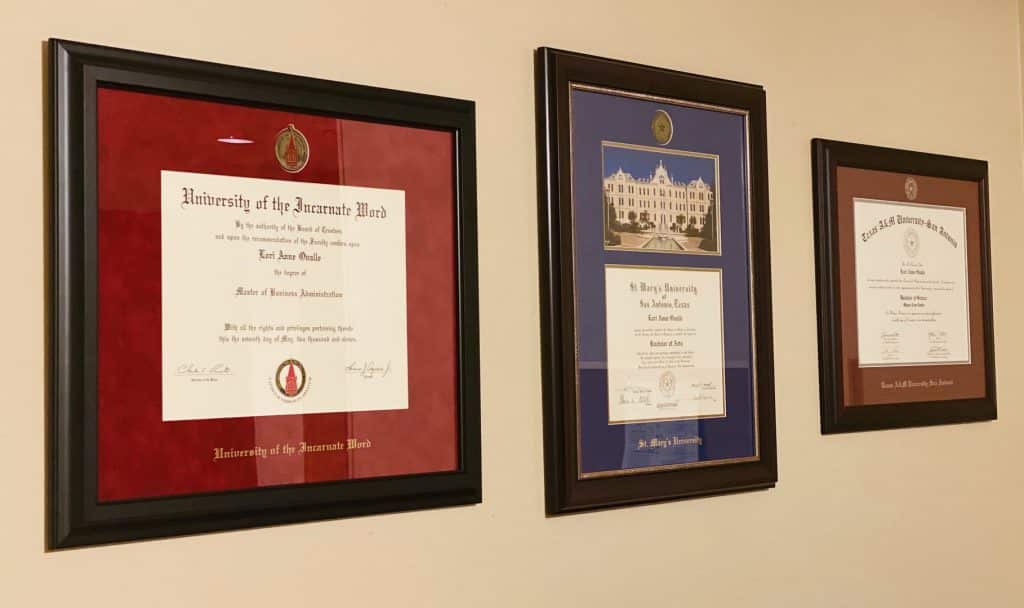
There is a moment many Africans experience that nobody prepares you for. You finish school, hold your degree like a sacred object and then realize it doesn’t open doors, it just looks good hanging on the wall.
In many African societies, education has quietly shifted from being about learning to being about status. A degree is less a measure of what you know and more a social signal that you are respectable, disciplined and “serious.” Some parents don’t always ask what you’re studying, just where. Because where you studied says something about your family, your class, your future prospects and whether you will be allowed to speak with authority at gatherings.
This isn’t just a feeling, the data supports it. Research by Afrobarometer shows that African youth today are more educated than previous generations yet significantly less employed, meaning that more schooling has not translated into better economic outcomes or deeper learning. Education has expanded but opportunity has not kept pace, leaving many young people credentialed but idle.
So degrees become symbolic. They stand in for security in economies that offer very little of it. Families invest everything, savings, land, pride not because the system is excellent, but because a certificate feels safer than uncertainty. Education becomes a collective gamble. If one child “makes it,” the sacrifice was worth it.
The problem is that many education systems across the continent still reward memorization over understanding, compliance over curiosity and completion over competence. Curricula lag behind reality. Critical thinking is praised in speeches but rarely taught in classrooms. Students learn how to pass exams without necessarily learning how to solve problems. Universities, often underfunded and overcrowded, quietly prioritize graduation rates and prestige over actual learning outcomes.
This gap becomes painfully visible in the labor market. Employers increasingly complain that graduates lack practical skills, while graduates insist they did everything society asked of them. According to the World Bank, Africa faces a serious skills mismatch, where education systems are not aligned with labor market needs, contributing directly to graduate unemployment and underemployment.

Yet instead of addressing this mismatch structurally, societies double down on credentials. Employers filter candidates by alma mater. Families compare degrees like trading cards. Conversations revolve around “papers,” not proficiency. Education becomes a gatekeeping mechanism, a way to sort people socially rather than empower them intellectually.
Meanwhile, vocational and technical education often the most practical and employable forms of learning is stigmatized. Trades are treated as consolation prizes for those who “failed academically” even though economies desperately need technicians, artisans and skilled workers. This hierarchy has little to do with economic reality and everything to do with class perception.
Ironically, this obsession with status undermines trust in education itself. When graduates struggle to find work despite doing everything “right,” education begins to feel like a scam rather than a pathway. That frustration fuels disillusionment, migration pressure and the quiet question many young people ask themselves “what was all that for?“
And yet, rejecting education entirely isn’t the answer. Certificates matter. Knowledge matters. But education must return to being a tool, not a trophy. Learning must be evaluated by capability, not just completion. Institutions must teach relevance, adaptability and problem solving not just theory frozen in time.
Because when education becomes primarily about status, we produce graduates who are socially validated but structurally unsupported. And when learning is reduced to a symbol, society pays the price in wasted potential.
Africans value education too much that we’ve been taught to value the appearance of education more than its substance.
Leave a Reply