

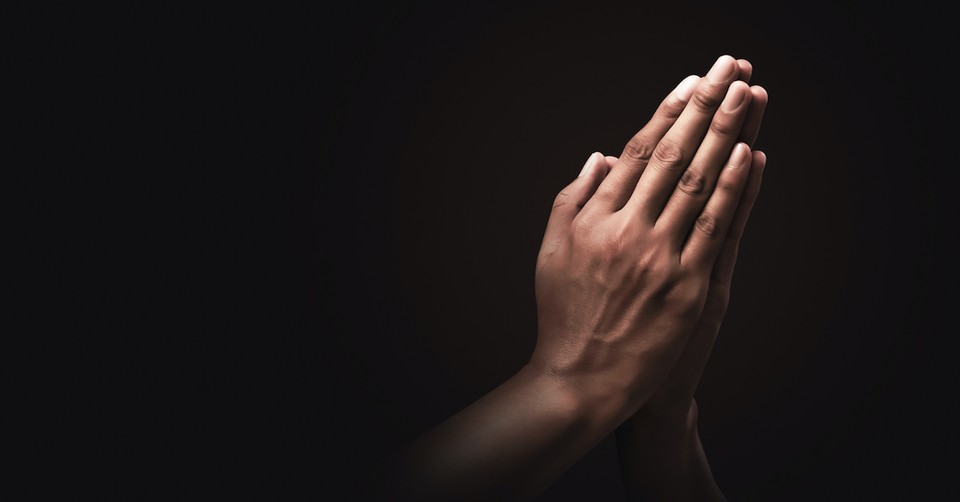
If Africa were a group chat, faith would be the loudest voice note. That’s not even a debate because listen. We are a continent that will pray before the meeting, pray during the meeting and then pray about why the meeting didn’t work. Meanwhile, the budget has vanished like your crush after you finally confessed.
And before someone starts warming up the “don’t touch the anointed” speech, relax. This is not an anti faith sermon. I am actually in awe of how deeply belief runs through our bones. In Uganda , about 97% of people say they believe in God and religion is “very important” to most people’s daily lives. Baby… that is premium subscription faith.
But the tiny, slightly uncomfortable part is that high faith has not automatically translated into high accountability.
Uganda, for example, ranked 140 out of 180 countries on the Corruption Perceptions Index in a recent report. Which is… how do I say this gently… not exactly giving “righteous nation, morally hmmm?! .” And that tension? That quiet skepticism between what we preach and what we practice? That’s something I think about a lot. Because on one hand, religious leaders in Africa are among the most trusted public figures, according to Afrobarometer surveys. Most trusted.
More than politicians.
More than institutions.
Sometimes, let’s be honest… more than people trust their own common sense.
But trust without accountability?
Africa is okay with that vibe.
We love the prophetic declarations.
We love the overnight breakthroughs.
We love the “this time next week” energy.
What we do not always love, and I say this with deep tenderness, is the boring, unsexy work of systems, oversight and consequences. Studies have even pointed out a paradox that in places where institutions are weak, higher religiosity can coexist with higher corruption, not because faith is bad but because structures are fragile. So basically, prayer cannot replace paperwork.
And please notice: I did NOT say faith is useless. In fact, faith communities faith communities across Uganda have actively preached against corruption and reached millions with anti-corruption messaging.
So the issue is not faith itself. The issue is when faith becomes the emotional support animal for accountability avoidance.
You know the script.
“We are praying about it.”
“We leave it to God.”
“Touch not my leader.”
Meanwhile… public funds are doing hide and seek.
And again, before someone forwards this to the family WhatsApp group with prayer emojis, accountability is not the enemy of faith. If anything, most religious teachings are aggressively pro accountability. Honesty. Stewardship. Justice. L
The real question, and this is where I start pacing my imaginary TED Talk stage, is whether we sometimes use spirituality as a soft blanket over very earthly problems. Because faith can comfort. But systems correct. Faith can inspire. But audits verify. Faith can heal hearts. But policies stop the same mess from happening again.
And Africa, the dramatic continent, often tries to do emotional healing where structural repair is required.
But the one thing that gives me hope, though and yes, I am resisting the urge to end in a neat motivational bow, is that the conversation is shifting. Quietly. Unevenly. But shifting.
More young Africans are asking harder questions. More faith leaders are openly naming corruption as sin, not just misfortune. More citizens are realizing that you can pray on Sunday and still demand receipts on Monday.
Dual citizenship. Spiritually and civically.
Maybe the future is not faith versus accountability. Maybe the grown up version of this story, the one we are still awkwardly writing, is faith with accountability.
Heavenly standards. Earthly consequences.
Because if we truly believe that character matters when nobody is watching… then surely it should also matter when the auditor finally is.
Anyway.
Just something I’ve been thinking about between “amen” and “where did the money go?”
Leave a Reply