

There are two things guaranteed to humble an African adult: checking your bank balance on a Monday morning and asking, “Wait… wasn’t fuel cheaper last week?”
Because currency instability in Africa is not just economics. It is a full blown emotional experience.
One day you are financially confident. The next day the exchange rate sneezes and suddenly your soft life budget disappears in thin air.
Let’s talk about it.
First of all, growing up, nobody explains that money has moods. In school they just show you neat charts like inflation is a well behaved concept. Nobody prepares you for the real life moment when bread quietly becomes expensive and everyone just… adjusts.
In many East African countries, exchange rate fluctuations have pushed up the cost of imported goods, which then feeds inflation and everyday prices.
In real life terms:
• Your shampoo price rises
• Transport rises
• Your landlord starts acting spiritual about rent increases
And somehow you are still being told to “just budget better.”
Be serious.
Now, to be fair (because we must give balance like responsible citizens), not every currency story in Africa is pure chaos.
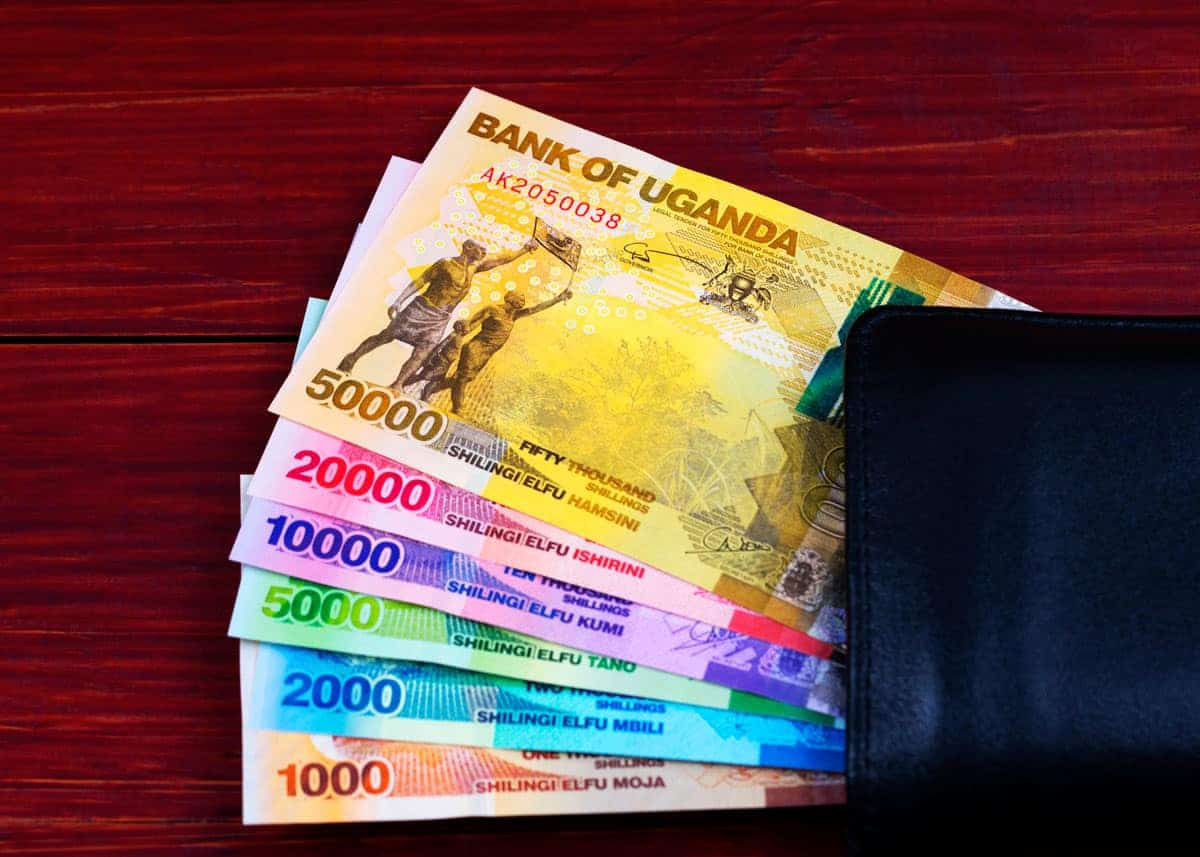
For example, Uganda’s shilling has actually been relatively stable compared to some neighbors and even appreciated about 6% in one recent period.
Look at us, stability queens and kings.
But nobody likes to discuss at family meetings that even a “stable” currency can still feel stressful in daily life.
Why?
Because stability at the macro level does not always translate to softness at the supermarket.
If imports are expensive…
If global dollar demand is high…
If debt payments are looming dramatically in the background…
Your wallet will still feel like it’s going through material development.
In fact, across East Africa , many currencies have remained under pressure and vulnerable to depreciation despite different inflation trends.
So yes , the graphs might look calm.
But your grocery receipt is telling a completely different testimony.
Let’s talk about the real main character in this story: the US dollar.
The dollar is that friend who shows up to the party and suddenly everybody starts behaving differently.
When global interest rates rise or investors move money abroad, African currencies often weaken because dollars become more attractive globally.
In normal human language:
The dollar clears its throat →Investors pack their bags →Local currencies start sweating → Your cost of living begins doing parkour.
And you are just there trying to buy eggs in peace. But the daily life consequences? Whew.
Currency instability shows up in the most unserious places:
• The boda price that changes depending on the driver’s vibes
• The restaurant menu that mysteriously has no printed prices
• The friend who now says “let’s just cook at home” every weekend
Even electricity tariffs can move partly because of currency shifts, since many energy inputs are priced in foreign currency.
So when someone says, “It’s just exchange rates,” please understand, it is never just exchange rates.
It is your soft life on the line.
The truth is, currency instability in Africa sits at the intersection of global finance, local policy, debt pressures and import dependence. Some countries even face extreme cases. Take Zimbabwe for instance , where the currency has repeatedly lost major value, forcing ongoing policy fixes.
Which is why everyday Africans have developed what I call financial emotional intelligence.
We know:
• when to bulk buy
• when to hoard dollars (don’t lie, some of you are doing it)
• when to pretend we’re “not hungry like that”
This is survival economics, baby.
So where does that leave us?
Honestly… somewhere between resilience and mild financial struggle.
Because African economies are growing in many ways but the lived experience of money still feels like trying to pour water into a basket.
One minute you’re budgeting. Next minute the exchange rate has entered its villain era.
And you’re back on your calculator like:
“Okay… but what if I just stay home?”
If you know, you know.
Leave a Reply