

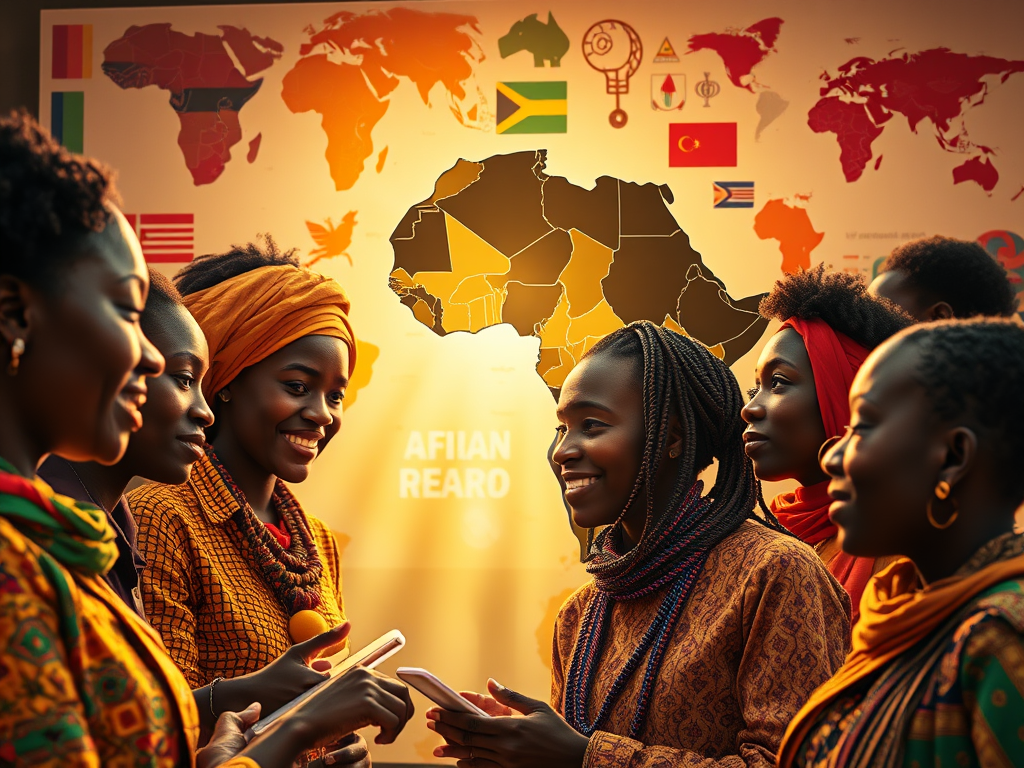
The African diaspora has long been a vital force in shaping Africa’s past, present, and future. From the early 20th-century Pan-African Congresses led by W.E.B. Du Bois and George Padmore, which galvanized anti-colonial movements, to contemporary efforts in economic development, cultural renaissance, and political advocacy, the diaspora’s influence is profound and multifaceted. Today, as Africa navigates complex challenges and opportunities, the diaspora’s role in bridging historical divides and fostering progress is more critical than ever. Historically, the African diaspora has been central to shaping visions of self-determination, unity, and resistance. The Pan-African Congresses were platforms on which diaspora intellectuals and activists could resist colonialism and demand African independence. The congresses, which were organized in cities such as London, Paris, and Manchester, contributed significantly to fostering solidarity among Africans worldwide. The Manchester Congress of 1945 was, however, a watershed when diaspora figures like Du Bois and Padmore met with African leaders like Kwame Nkrumah and Jomo Kenyatta and sowed seeds for independence movements across the continent.
During the post-independence period, diaspora activism turned towards countering new challenges—apartheid in South Africa, Cold War proxy wars, and neocolonial economic orders. Organizations like the TransAfrica Forum and individuals like Randall Robinson protested vigorously against apartheid, while diaspora initiatives enabled post-colonial nation-building projects. Geopolitical intricacies aside, the diaspora continued to affirm African agency and self-determination.

Today, the economic influence of the diaspora cannot be overlooked. Remittances to the continent of Africa, according to the World Bank of 2023, were estimated at approximately $100 billion, equalling nearly 6% of the continent’s GDP and exceeding both Official Development Assistance (ODA) and Foreign Direct Investment (FDI). Nigeria, Egypt, Ghana, and Kenya are the leading recipients of remittances, whose outputs are crucial to household spending, education, health, and small business entrepreneurship. In countries like The Gambia and Liberia, remittances contribute up to 20% to GDP, which underscores their importance in sustaining livings.
Other than remittances, diaspora entrepreneurship has increased. Initiatives such as the African Diaspora Marketplace, launched by the United States Agency for International Development (USAID), have invested in diaspora-owned businesses ranging from the agricultural to the technology industry. Modes such as Kwanda allow collective philanthropic donations, channeling funds directly to grassroots projects in domains such as healthcare, education, and infrastructure. Such initiatives depict the manner in which diaspora communities leverage international networking, technological expertise, and cultural insight to create Africa-specific solutions to Africa’s unique challenges.
Its cultural influence is equally significant. Through music and fashion, literature and film, the African diaspora has reshaped how the world conceives of Africa, rewriting myths and upholding heritage. From Afrofuturism, Afrobeat, to Nollywood, movements attest to this cultural renaissance. Diaspora scholars and artists not only build narratives, but they also forge cross-cultural encounters that confirm Africa’s place in the world imagination.
Politically, members of the diaspora are now important figures in their host nations as leaders. Some of the best examples include US Vice President Kamala Harris, UK MP Kemi Badenoch, and French MP Danièle Obono, which speaks to increasing diaspora political clout. The leaders tend to advocate for policies supporting increased African cooperation with the remainder of the world to promote bilateral growth, trade, and development partnership. Their prominence underscores the potential of the diaspora to act as bridges between continents.
Taking advantage of this opportunity, African governments have attempted to intensify diaspora engagement. Ghana’s “Year of Return” in 2019 honored the 400 years of the transatlantic slave trade and invited African descendents to come back to their roots. The campaign attracted over one million visitors, generated approximately $1.9 billion in tourism income, and spurred investment in real estate, business, and heritage-related projects. Similarly, diaspora bonds of Ethiopia and Kenya’s Huduma Namba (digital identity program) aspire to facilitate diaspora investment in national infrastructure and governance.

Still, there are obstacles. Excessive remittance fees—8-9% on average in sub-Saharan Africa, compared to 6.5% worldwide—undercut the impact of diaspora investments. Political instability, bureaucracy, and corruption deter investment and limit the potential of the diaspora. The African Union discovered in a 2022 diaspora survey that 60% of the respondents listed “lack of trust in governance” as one of the largest obstacles to involvement. Sustained reforms in such sectors as open regulatory environments, investment promotion, and enhanced financial infrastructure are needed to overcome these challenges.
The cultural and emotional dimensions of diaspora participation are profound. “Home” is a fraught, nostalgic, and longing concept for most of Africa in diaspora. They achieve success in boardrooms, classrooms, and arts, but the continent’s languages, foods, laughter, and dust beckon to them. Cultural exchange programs like African Diaspora Development Institute’s community initiatives, language classes, and heritage festivals are required to create a sense of belonging and connection.
Most importantly, the diaspora’s influence extends beyond remittances and individual-level entrepreneurship. It also encompasses advocacy for justice, human rights, and sustainable development. Diaspora groups have mobilized to support pro-democracy movements in Sudan, helped deliver humanitarian aid in the instance of the Ebola crisis in West Africa, and funded educational initiatives in Kenya’s rural areas. Such activism undermines stereotypes of an inert or victimized continent, rather casting Africa as an active, resilient, and networked continent.
Africa’s future depends in part on the extent to which the continent can harness the vast economic, intellectual, and cultural capital of its diaspora. Bridges will have to be built—through collaborative initiatives, policy reform, and candid dialogue. Diaspora engagement must move beyond transnational remittances to encompass sustained collaboration on innovation, governance, education, and green sustainability. As the African Continental Free Trade Area (AfCFTA) reshapes regional integration, diaspora investment and expertise can also play decisive roles in unlocking the economic potential of Africa.
Overall, the African diaspora is an enormous power that can drive Africa’s progress. But it can be harnessed by policies de-barrierizing, policies building trust, and policies that are inclusive. Home is not where one lives—it is what one fights for. And as the diaspora comes together, it not only recovers its roots but nurtures a continent poised to bloom. By recognizing and embracing the diaspora’s role, Africa can usher in a future of communal prosperity, resilience, and international prominence.
Leave a Reply