
Let’s Talk Afrika.
“It is clear that we must find an African solution to our problems, and that this can only be found in African Unity. Divided we are weak; united, Africa could become one of the greatest sources for good in the world.” – Kwame Nkrumah
Category: foreign policy
-

Public Health Crises And Government Response
There’s a familiar rhythm to public health crises in Africa. First, people start getting sick. Then communities panic quietly. Then governments reassure loudly. Then statistics appear. Then promises. Then, eventually, silence until the next crisis. Theocratically, African governments know exactly what to do in a public health emergency. There are task forces, emergency frameworks, continental…
-
Who Gets To Imagine Africa‘s Future
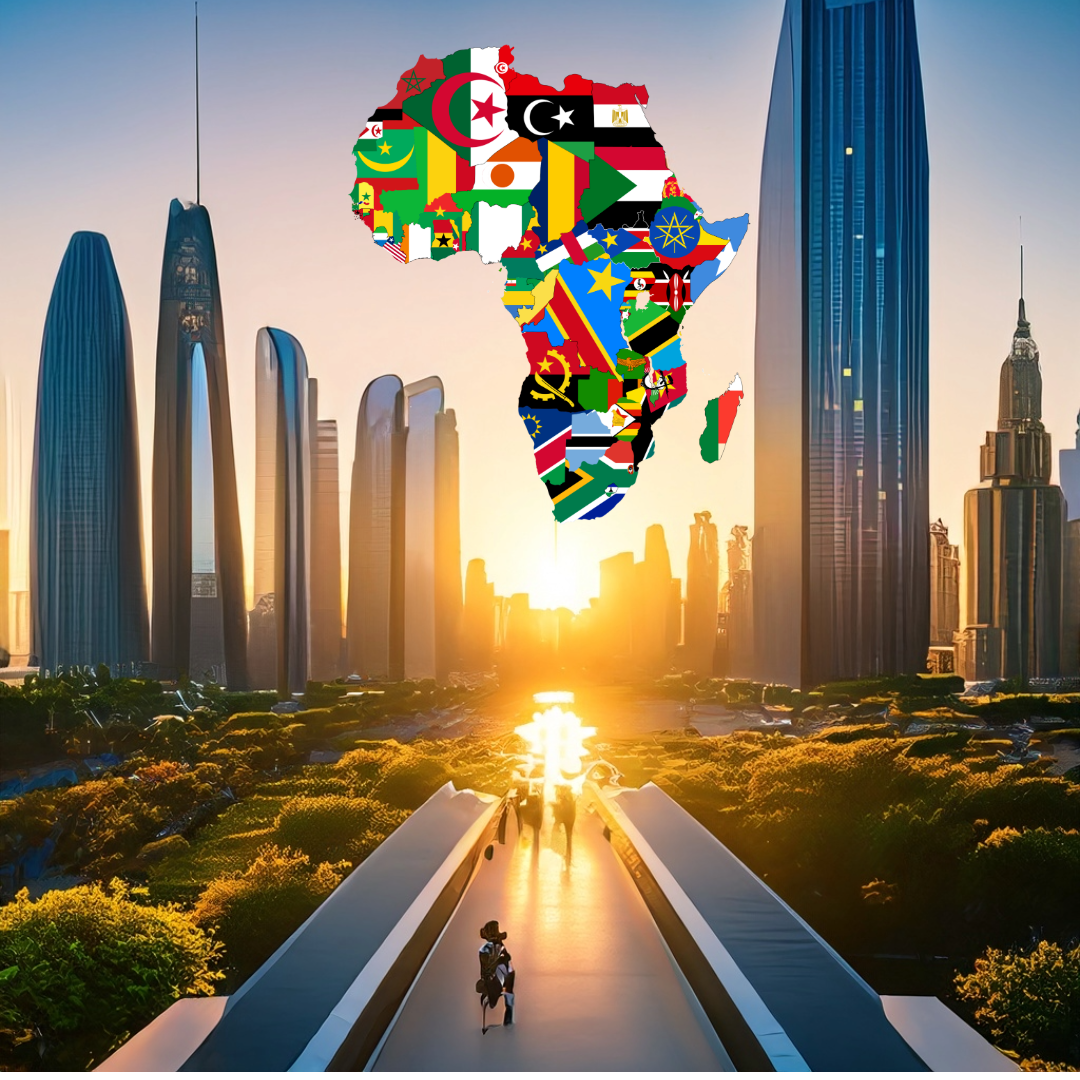
There’s a quiet but powerful question that rarely gets asked out loud. Who gets to imagine Africa’s future? Not who funds it. Not who writes reports about it. But who actually gets to decide what progress, development and success look like on this continent. Because if you listen closely, Africa’s future is being imagined constantly…
-

Debt, IMF And Economic Handcuffs
There’s a strange kind of freedom Africa is told it has. The freedom to make decisions, to govern itself, to chart its own economic future. And then there’s the kind of freedom that comes with an asterisk. Debt is that asterisk. On paper, debt looks neutral. Technical. Mathematical. A country borrows, invests, repays. Simple. But…
-
Dear Everyone Who Thought Africa Hunger Was Just a Newspaper Headline
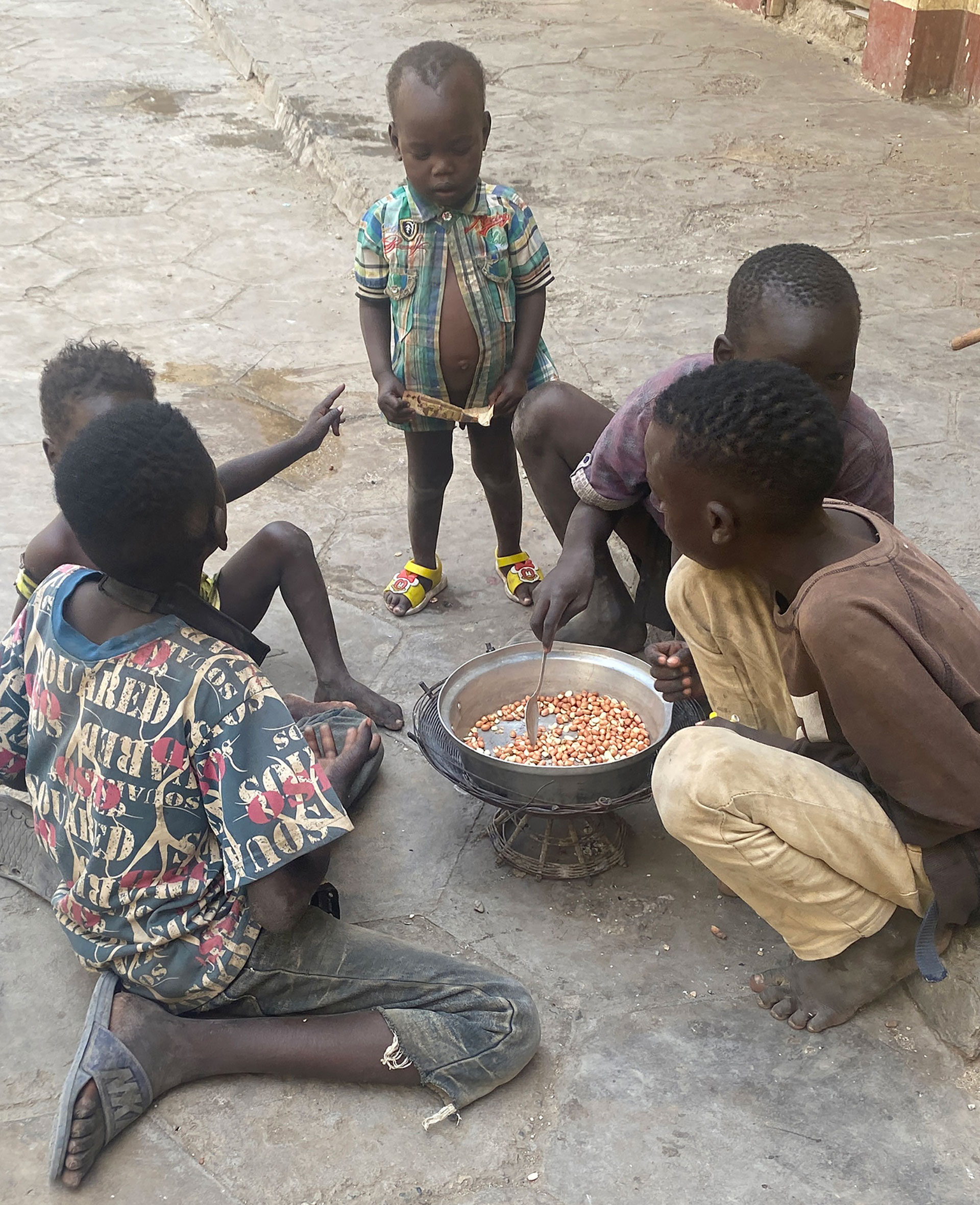
The images you half remember from childhood textbooks (children standing in line, empty bowls, one dimensional despair) are still happening, but the context now? It’s 2025 there’s conflict, climate chaos, aid fatigue and everyday people just trying to survive. Let’s unpack two major hotspots so we all know the terrain and then I’ll throw in…
-
Bridging the Gap: The African Diaspora’s Role in Africa’s Future
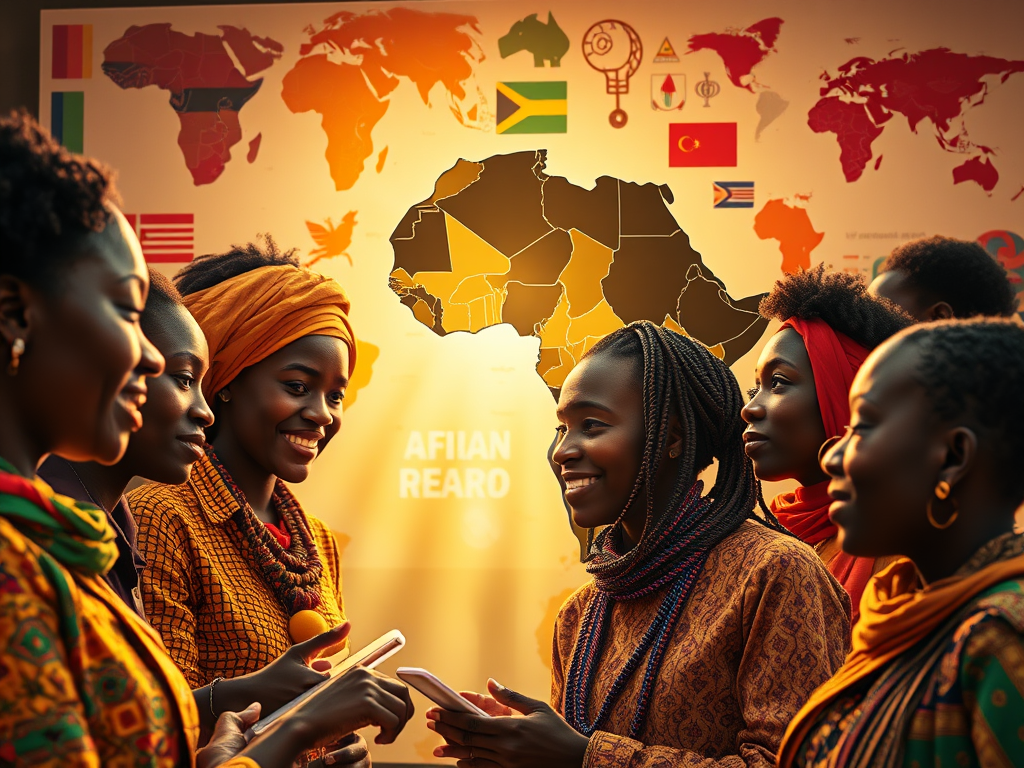
The African diaspora has long been a vital force in shaping Africa’s past, present, and future. From the early 20th-century Pan-African Congresses led by W.E.B. Du Bois and George Padmore, which galvanized anti-colonial movements, to contemporary efforts in economic development, cultural renaissance, and political advocacy, the diaspora’s influence is profound and multifaceted. Today, as Africa…
-
Rwanda Sanctions Belgium: Rewriting a Colonial Legacy and Asserting National Sovereignty
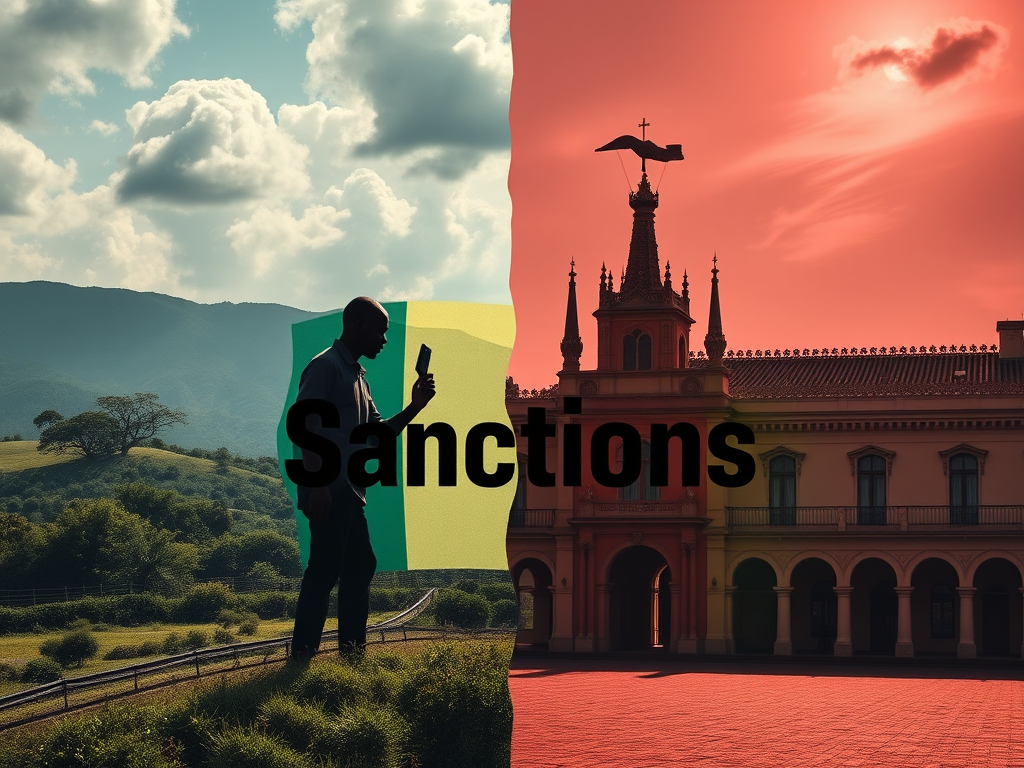
In a historic and bold move, Rwanda made history as the first African nation to impose sanctions on a European country by suspending its ongoing 2024–2029 bilateral development aid programme with Belgium. The move, coming at a moment of bitter differences on regional security and economic assistance for political influence, forces a renegotiation of deep-seated…
-

Examining Trump’s Impact on Africa: A Policy Analysis
The Trump administration’s foreign policies have significantly impacted Africa, highlighting the continent’s overreliance on external aid and exposing systemic vulnerabilities. With aid cuts, a tough stance on immigration, and trade uncertainties, African nations must reevaluate their governance and economic structures. Emphasizing self-reliance, diversification, and youth empowerment could drive a renaissance in Africa.