
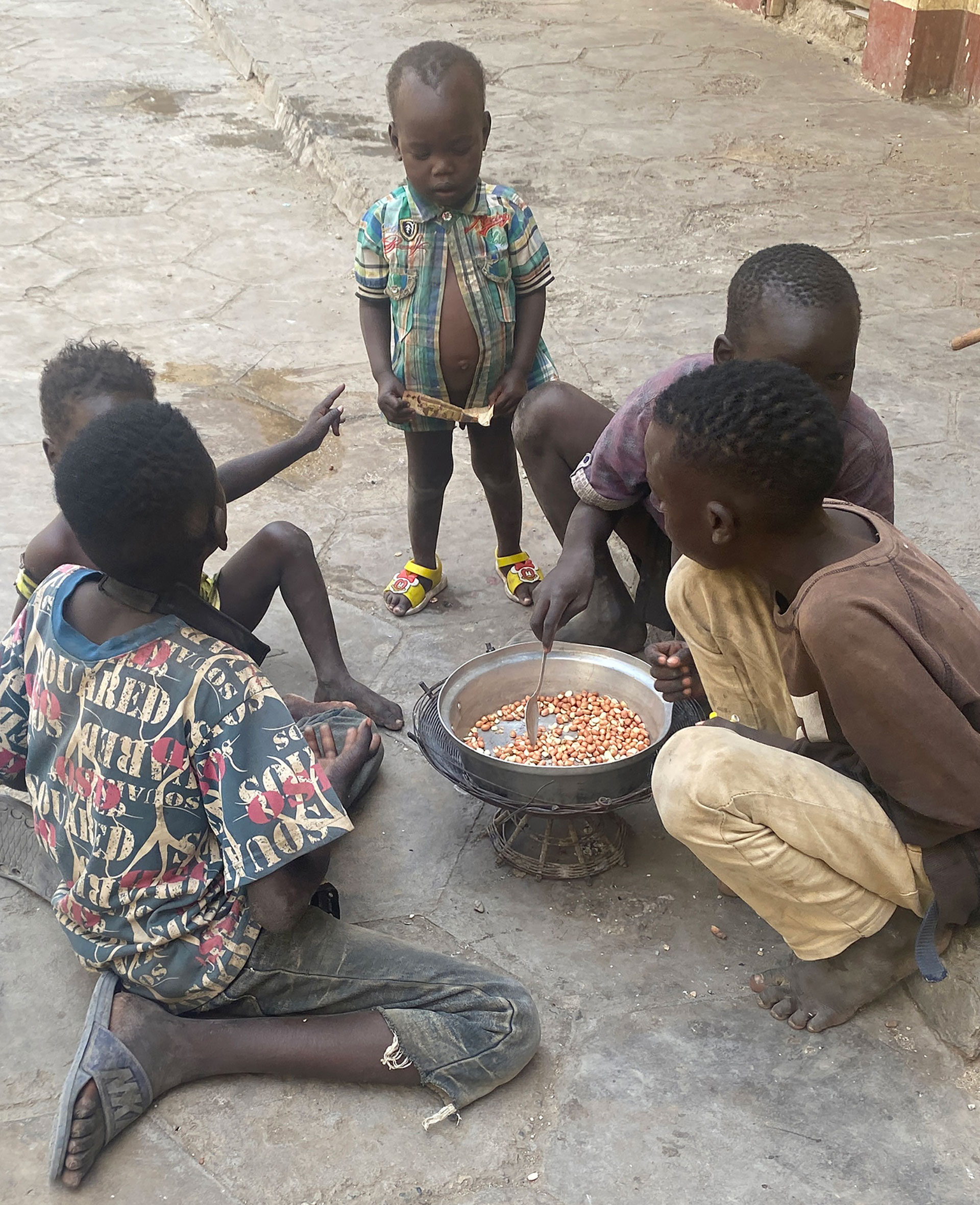
The images you half remember from childhood textbooks (children standing in line, empty bowls, one dimensional despair) are still happening, but the context now? It’s 2025 there’s conflict, climate chaos, aid fatigue and everyday people just trying to survive. Let’s unpack two major hotspots so we all know the terrain and then I’ll throw in some ideas about what we (especially in African nations) could do instead of just feel bad about.
The Crisis: Two Places, One Planet
Sudan
War broke out in April 2023 between the army and the paramilitary Rapid Support Forces (RSF). And has resulted into destroyed farmland, blocked supply routes, displacement on a massive scale, too say the least. According to the Integrated Food Security Phase Classification (IPC), famine was confirmed in parts of Darfur and Kordofan And in general, nearly 25 million people which was half of Sudan’s population , facing extreme hunger according to the United Nations.
Democratic Republic of the Congo (DR Congo)
It’s not new headlines but the gravity keeps climbing. Reports show about 28 million people facing acute hunger (IPC Phase 3 or worse) and 3.9 million in emergency hunger (Phase 4).
So why should we care (in Uganda, Ghana, Nigeria… anywhere)? In the words of the voices in my head, because hunger doesn’t stay local. Crops fail, refugees move, borders shuffle, trade routes collapse. You feel ripple effects. Because if one country’s stability collapses from hunger, regional security, economy & migration get hit. Because, frankly stating, Africans helping Africans is way more sustainable than waiting for someone else to show up.
What you and me can do firstly, is to stay Informed. It’s not just a Sudan problem or Congo problem. The data backs that 300 million people globally are at risk of death by starvation. When you explain it to older or younger generations, you can show them why. With legit sources for example UN/FAO/WFP data.
Push for Policy & Budget Changes locally if you’re in a position to do so. In Africa, government budgets often prioritise fireworks and white elephants over food systems. Speak up in your universities, community forums, social media. We need investment in local agriculture, roads, markets, irrigation, storage facilities so harvests don’t rot. Support Local Food Systems. You’re a student and move around the city, try to buy from local farmers when you can. Support cooperatives or community gardens. Volunteer or partner with campus initiatives for agricultural resilience. These things might seem small but if thousands do them, it adds up. Amplify voices, not just stories. Raise up Africans from Sudan and DR Congo telling their stories. Donate a little to trusted agencies and also share their words. It’s not charity porn, it’s solidarity.

Quick example to bridge generations. We can think of it like this. Back in the day, our grandparents in Uganda may have relied on the rainy season, maize crop and local trade. If it failed, the whole village felt it. Now imagine war blocks the road to market, the currency collapses, trucks don’t come through and the effect is faster, wider, deeper. That’s what’s happening in DR Congo and Sudan.
Hunger is not ancient history or some distant famine you read once. It’s happening. And while we can’t fix everything overnight, we can shift the energy. Community by community. Student by student. Because the day one of our neighbours in Africa wakes up not knowing where their next meal comes from, it’s on all of us. You and me to whisper I see you and We’ll try together.
Yours in the struggle and the hope
Leave a Reply